
 Apprendre la kizomba à Paris
Passionné de danses ? Avez-vous déjà songé à changer de rythme avec la kizomba ? Cette danse d’origine africaine fait vibrer toute la planète. Elle attire de plus en plus d’adeptes désormais. Les pas sont faciles à réaliser puisqu’il s’agit de combinaison…
 Comment apprendre à danser la Salsa ?
La salsa est en effet une danse improvisée qui respecte chaque pas de base, et qui est généralement dansée à 2 (deux). Pour se faire, les filles sont guidées par les garçons. Mais vous pouvez les pratiquer aussi seul ou…
 Pourquoi opter pour un voyage sur mesure en Argentine ?
Pour un voyage en Argentine réussi, il est important d’entreprendre une organisation bien structurée. Il faut bien se préparer et recourir au service d’un professionnel afin de réaliser des activités intéressantes. Les séjours tout compris sont actuellement très pratiques pour passer un…
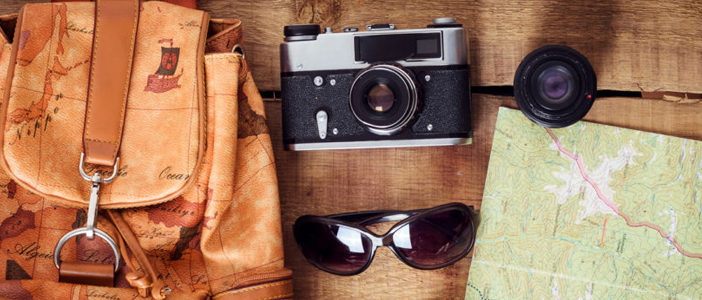 Comment bien préparer son voyage en Argentine ?
L’Argentine est une destination idéale pour ceux qui aiment les grands espaces et la culture hispanique. Pour préparer un séjour sur mesure en Argentine, il faut bien se documenter et se faire accompagner par un professionnel du voyage en Argentine.
 Apprendre à jouer du Tango à la guitare
Prendre des cours de guitare tango avec des guitaristes professionnels ou suivre des cours en ligne avec des applications.
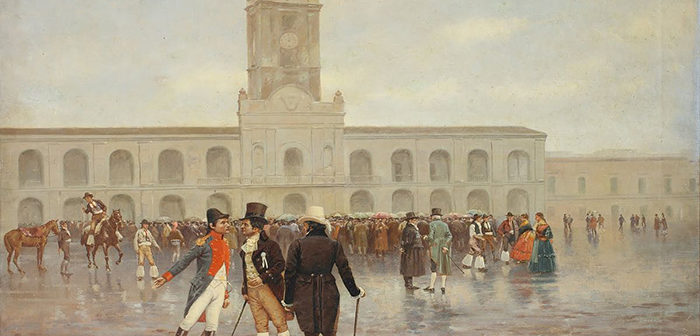 Présentation de l’Argentine et du tango
L’Argentine doit son nom aux premiers Conquistadores espagnols. Lors des premières expéditions dans la région du Rio de la Plata, ces derniers furent reçus par des indigènes qui leur offrirent des objets en argent et les conquistadores décidèrent de nommer…